

Fall Bait Fish: Advanced Tips on Matching the Hatch and Why Size Matters
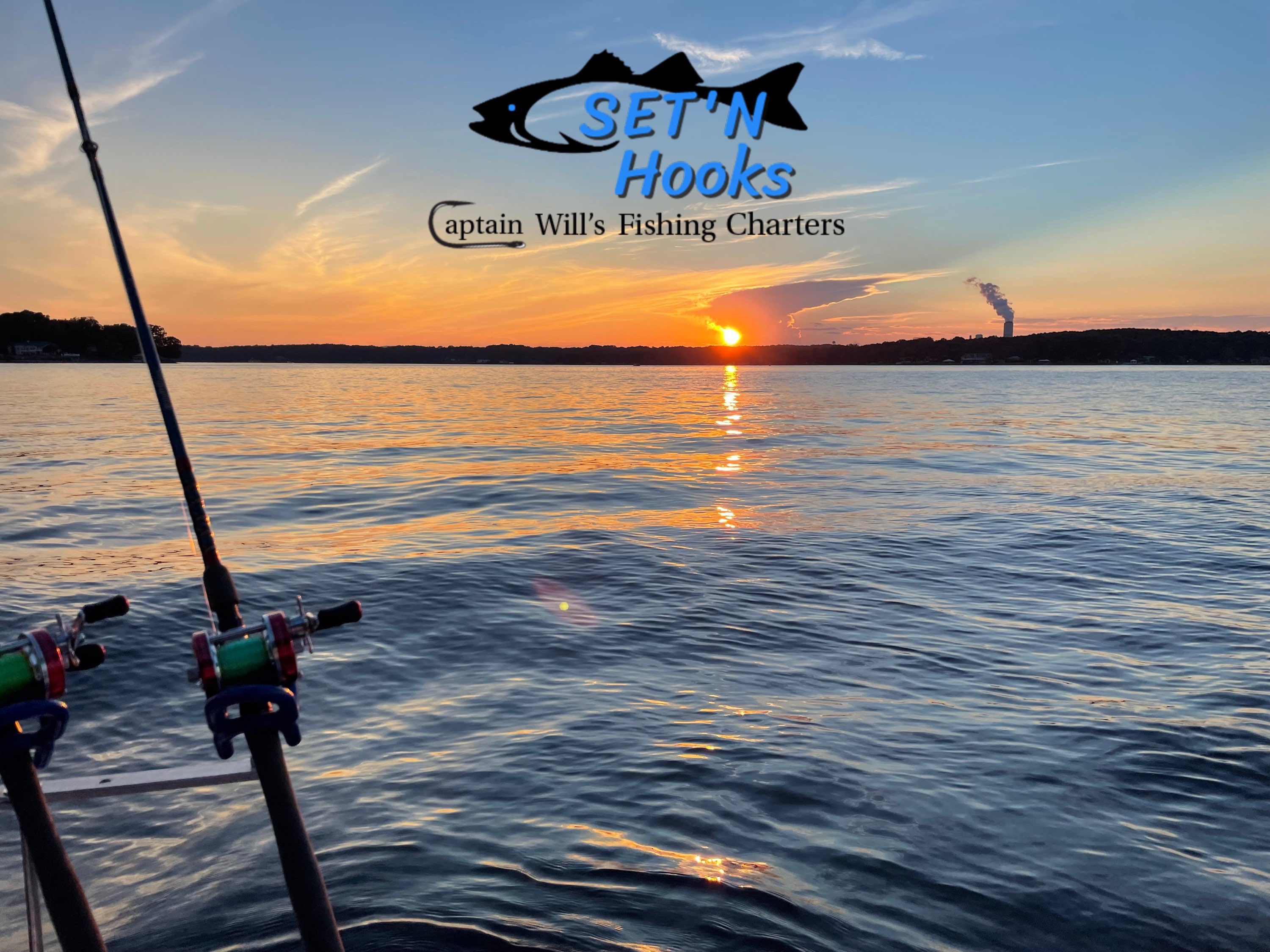
As the summer heat begins to fade and the cool, crisp air of fall sets in, the dynamics of fishing at Lake Norman change dramatically. For anglers targeting bass and hybrid striped bass, this transitional season brings a unique set of challenges and opportunities. One crucial aspect to consider is the bait fish available during this time and how understanding their behavior can enhance your fishing success.
The Importance of Matching the Hatch
One of the golden rules in fishing is to match the bait to the local forage, often referred to as "matching the hatch." In the fall, several species of bait fish become active and abundant in Lake Norman, including shad, herring, and berm. Recognizing which bait fish are present and replicating their size and action can significantly improve your chances of enticing predator fish like bass and hybrids.
For example, as the water cools, shad tend to school together, creating a concentrated food source that bass and hybrids exploit. In this context, using lures that match the size and color of shad can yield impressive results, leading to productive outings.

Why Size Matters in Bait Selection
Size is a critical factor when selecting your bait. During the fall, adult bait fish typically range from 2 to 4 inches in length. Fishing with lures or live bait that closely mimic this size will increase your likelihood of attracting larger fish.
A study conducted by the North Carolina Wildlife Resources Commission highlights that bass and stripers tend to prefer bait that is closer to their mouth's size, particularly as they prepare for winter. Failing to match the size of the bait can lead to missed opportunities as fish become increasingly selective in their eating habits.
Choosing the Right Lures
When deciding on the right lure, it's essential to consider both the size and color. In fall, shad can take on a silver hue with a darker back, making colors like silver, white, and chartreuse effective choices for imitating this bait fish. Popular lures include:
Swimbaits: These can closely mimic the swimming action of bait fish, providing an attractive target for predatory species.
Jerkbaits: Perfect for creating erratic movements that provoke strikes, especially during cooler water temperatures.
Crankbaits: These can dive to varying depths, allowing you to target fish that may be suspended or holding near the bottom.
Remember to adjust your retrieve speed. In cooler water, fish metabolism slows down, and a slower presentation can prove more effective.

2.5” Berkley Gulp Minnow imitates small shad that schooling fish have been feeding on.
Understanding Behavior Changes in Fall
As temperatures drop, the behavior of both bait and predator fish shifts. Bait fish begin to school tightly, often moving into shallow waters during the early morning and late afternoon when the sun is low. Bass and hybrids follow them, moving closer to these schools to feed.
Being aware of these behavioral changes is crucial. Anglers should adjust their fishing times accordingly, aiming for dawn and dusk when fish are most active. Additionally, during the day, look for areas with cover such as submerged structures, rock piles, and docks. These spots provide ambush points for bass and hybrids as they hunt.
The Role of Weather and Water Conditions
Changes in weather patterns and water conditions can greatly impact bait and predator fish behavior. A sudden drop in temperature or shifting winds can trigger feeding frenzies among bass and hybrids. On days following a front, for instance, fish may be more aggressive in pursuit of bait.
Always check the reports before heading out; adjust your tactics based on the latest weather conditions. If you experience a steady rain, consider moving your focus to shallow water where fish might be more active.

Conservation and Ethical Angling Practices
While the pursuit of bass and hybrids can be compelling, it's equally important to consider the ecological impacts of fishing. Anglers are stewards of the environment and should practice conservation and ethical fishing methods.
Catch and Release: Whenever possible, release any fish that you do not plan to keep. This helps maintain healthy fish populations for future generations of anglers.
Use Appropriate Gear: Ensure that you are using gear that is suitable for the species you are targeting. Using lighter lines or hooks may result in unnecessary harm to the fish.
Educate Yourself: Familiarize yourself with local regulations and guidelines regarding fishing seasons, bag limits, and size restrictions. Respecting these rules contributes to the sustainability of the fishery.
By prioritizing conservation efforts, you preserve the natural environment and help ensure that Lake Norman remains a vibrant location for fishing enthusiasts in the years to come.
Final Thoughts on Fall Fishing Strategies
As fall approaches, paying attention to bait fish patterns, sizes, and behavioral changes can enhance your fishing success at Lake Norman. Selecting the right lures, understanding when and where to fish, and committing to ethical angling practices will make your fishing adventures more rewarding.
By implementing these advanced tips on matching the hatch and recognizing the significance of bait size, you'll be well-equipped to reel in impressive catches of bass and stripers this fall. Remember, fishing is not just about the catch; it's about the experience and the respect we hold for the waters we fish in.
So gear up and head out to Lake Norman, where a world of exciting fishing opportunities awaits you this season! It would be my pleasure to book you on my vessel for an amazing and educational day on Lake Norman and Set some Hooks!!
Captain Will Price
Set’N Hooks Fishing Charters

Comments